
License # 556166
Making Remodeling Dreams Come True in The Greater Palo Alto Area Since 1980
License # 556166
Making Remodeling Dreams Come True in The Greater Palo Alto Area Since 1980
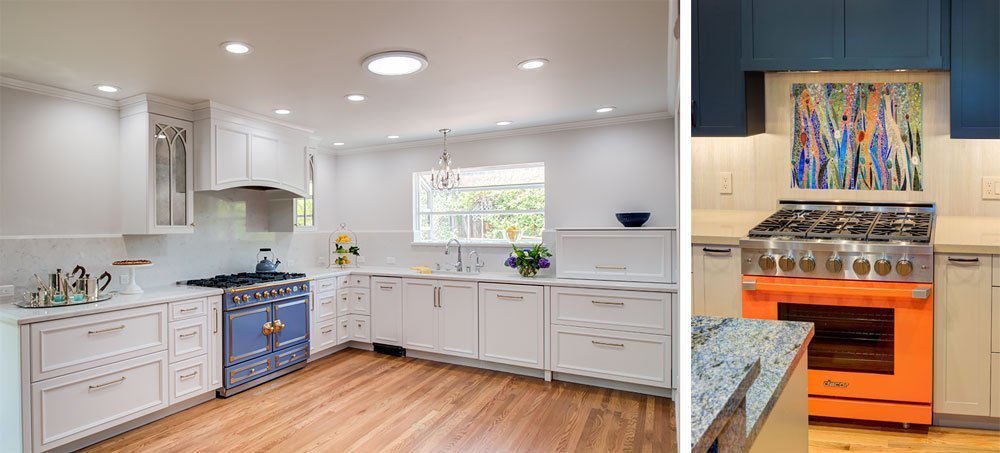
There are three categories of kosher foods: meat, dairy, and pareve, which include fruits, vegetables, grains, eggs, and other foods. To simplify the kosher concept, there must be dedicated pots, pans, knives, bowls, dishware, and utensils for preparing, cooking, serving, and eating meat and dairy dishes. This means there are two sets of everything in addition to special dishes and serving platters for Passover. With extensive sets of duplicate cookware to function properly and follow kosher requirements, the kitchen needed considerable storage. Debra’s clients also wanted high-performance appliances as well as more counter space.
After speaking in-depth with her clients, visiting their home, and armed with her personal knowledge of the kosher standards, Debra embarked on transforming their kitchen. The end result may not look any different from a classic kitchen redesign but the changes Debra incorporated made a huge difference in the couple’s ability to easily and enjoyably prepare kosher meals for themselves and guests.
Some of the key elements of this
kosher kitchen include:
In this kosher kitchen, storage – and lots of it – was a crucial component of the redesign.
Base cabinet drawers on either side of the range were designed for pots, pans, and other cooking utensils. One side was dedicated for tools and cookware for meat, the other for dairy. There were also independent drawers for each full set of silverware and utensils. The upper cabinets had enough space to separate meat and dairy plates as well as serving dishes.
A tall narrow pantry next to the refrigerator houses spices, condiments, and a variety of ingredients. The two Kessebohmer hardware inserts hold 330 pounds each, and are open from both sides making for easy visibility and accessibility.
Upon gutting the kitchen a false ceiling was discovered, which enabled the ceiling height to be raised from 95 inches to 103 inches. This allowed for secondary upper cabinets ideal for storing Passover china that is only used once a year. A cabinet above the wall oven houses vertical baking tray dividers measured to fit the owner’s baking sheets and adjustable shelves offer additional flexible storage.
@2025 All right Reserved by Kitchen Renovations Company.